
Proteins, Carbohydrates, Fats: Their True Roles in the Body
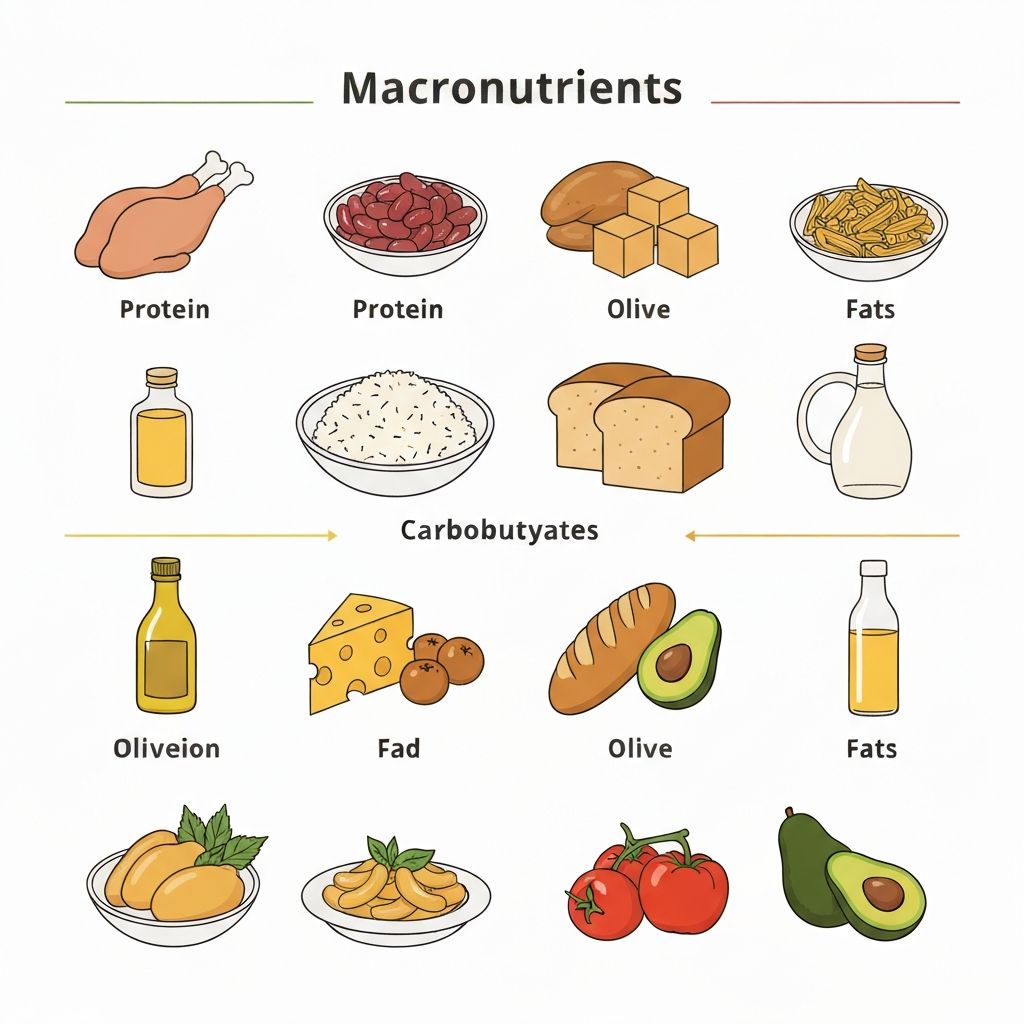
Understanding Macronutrients
Food provides three primary macronutrients: proteins, carbohydrates, and fats. Marketing often portrays these categories as either "good" or "bad," but the scientific reality is more nuanced. Each macronutrient serves distinct and essential functions in the body, and human health requires adequate amounts of all three.
Proteins: Building and Maintaining Tissue
Structural and Functional Roles
Proteins are amino acid chains that form the structural basis of virtually every cell in your body. Muscles, enzymes, antibodies, hormones, hair, skin, and countless other tissues are built from proteins or require proteins to function.
When you eat protein-containing foods, your digestive system breaks them down into amino acids. Your body then reassembles these amino acids into the specific proteins it needs.
Protein synthesis—the process of building new proteins—occurs continuously. You need a regular supply of amino acids to maintain tissues, support immune function, produce enzymes and hormones, and adapt to physical demands like exercise.
Satiety and Thermic Effect
Protein produces a greater feeling of fullness compared to carbohydrates or fats when consumed in equal quantities. This satiety effect influences how much food people naturally consume.
Protein also has the highest thermic effect of food—your body expends more energy digesting protein compared to the other macronutrients. This is why higher protein intakes are associated with slightly elevated energy expenditure.
Amino Acid Composition
Different protein sources provide different amino acid profiles. Essential amino acids (nine that your body cannot synthesize) must come from food. Complete proteins contain all essential amino acids, while incomplete proteins lack one or more.
Animal-based proteins (meat, fish, eggs, dairy) are typically complete. Plant-based proteins vary—legumes, nuts, seeds, and grains each have different amino acid profiles, though combining plant sources throughout the day provides all essential amino acids.
Carbohydrates: The Body's Preferred Fuel
Energy Provision
Carbohydrates are your body's preferred energy source. When you eat carbohydrate-containing foods, they're broken down into glucose, which enters the bloodstream and becomes available for cells to use for energy.
Your brain relies heavily on glucose. Muscles store glucose as glycogen, which provides readily available energy during physical activity. Carbohydrates can be used immediately for energy or stored for later use.
Types of Carbohydrates
Simple carbohydrates (sugars) are rapidly absorbed and cause quick blood glucose increases. Examples include fruit sugars, table sugar, and honey.
Complex carbohydrates (starches and fiber) are larger molecules that break down more slowly, producing more gradual glucose increases. Examples include whole grains, legumes, vegetables, and tubers.
Fiber is a type of carbohydrate your body cannot fully digest. Rather than being absorbed for energy, fiber supports digestive health, influences satiety, and feeds beneficial gut bacteria.
Metabolic Role
Beyond energy, carbohydrates support neurotransmitter synthesis, cell structure, and various metabolic processes. The "good vs. bad" carbohydrate narrative oversimplifies their metabolic role—the distinction between refined and whole-grain carbohydrates is more relevant than the category itself.
Fats: Essential for Multiple Functions
Structural and Functional Roles
Fats are essential for cell membranes, nervous system function, hormone production, vitamin absorption, and immune function. Certain fats (omega-3 and omega-6 polyunsaturated fats) are "essential"—your body cannot synthesize them, so they must come from food.
Dietary fat doesn't automatically become body fat. Rather, it's a macronutrient that serves important physiological functions and can be used for energy when needed.
Fat-Soluble Vitamin Absorption
Vitamins A, D, E, and K are fat-soluble, meaning they require dietary fat for absorption. Without adequate fat intake, even a diet rich in these vitamins may not provide adequate absorption of these essential micronutrients.
Satiety and Appetite
Dietary fat influences satiety. Fat-containing meals are often more satisfying, which can influence how much total food is consumed. However, fat is calorie-dense (9 calories per gram), so fat content influences total energy intake.
Types of Dietary Fats
Saturated fats are found in animal products and some plant oils. Unsaturated fats (monounsaturated and polyunsaturated) are found in nuts, seeds, vegetable oils, and fatty fish.
Trans fats (artificial trans fats found in processed foods) are associated with negative health effects and should be minimized. Natural trans fats in small amounts from animal products appear to have minimal health impact.
Balance and Individual Variation
While all three macronutrients are essential, individual macronutrient ratios that support optimal health vary between individuals. Genetic factors, activity level, health status, food preferences, and cultural practices all influence ideal macronutrient distribution.
Rather than viewing any macronutrient as inherently "bad," a sustainable dietary approach emphasizes getting adequate amounts of all three from nutrient-dense food sources.
Educational Note
This article explains the roles and functions of macronutrients based on nutritional science. Individual macronutrient needs vary based on personal circumstances. For personalized guidance, consult with qualified healthcare professionals or registered dietitians.